
Thinking for leaders dealing with persistent problems
Karamawari writes about the organisational patterns that make recurring problems difficult to see and expensive to leave unresolved: how evidence becomes representation, why reasonable fixes fail, where capacity disappears and what leaders can learn when the same outcome keeps returning.

Borders: When Channel Efficiency Costs You the Customer
One of the most expensive strategic mistakes a company can make is becoming more efficient at something that is quietly becoming less important. In 2001, Borders faced a perfectly reasonable...
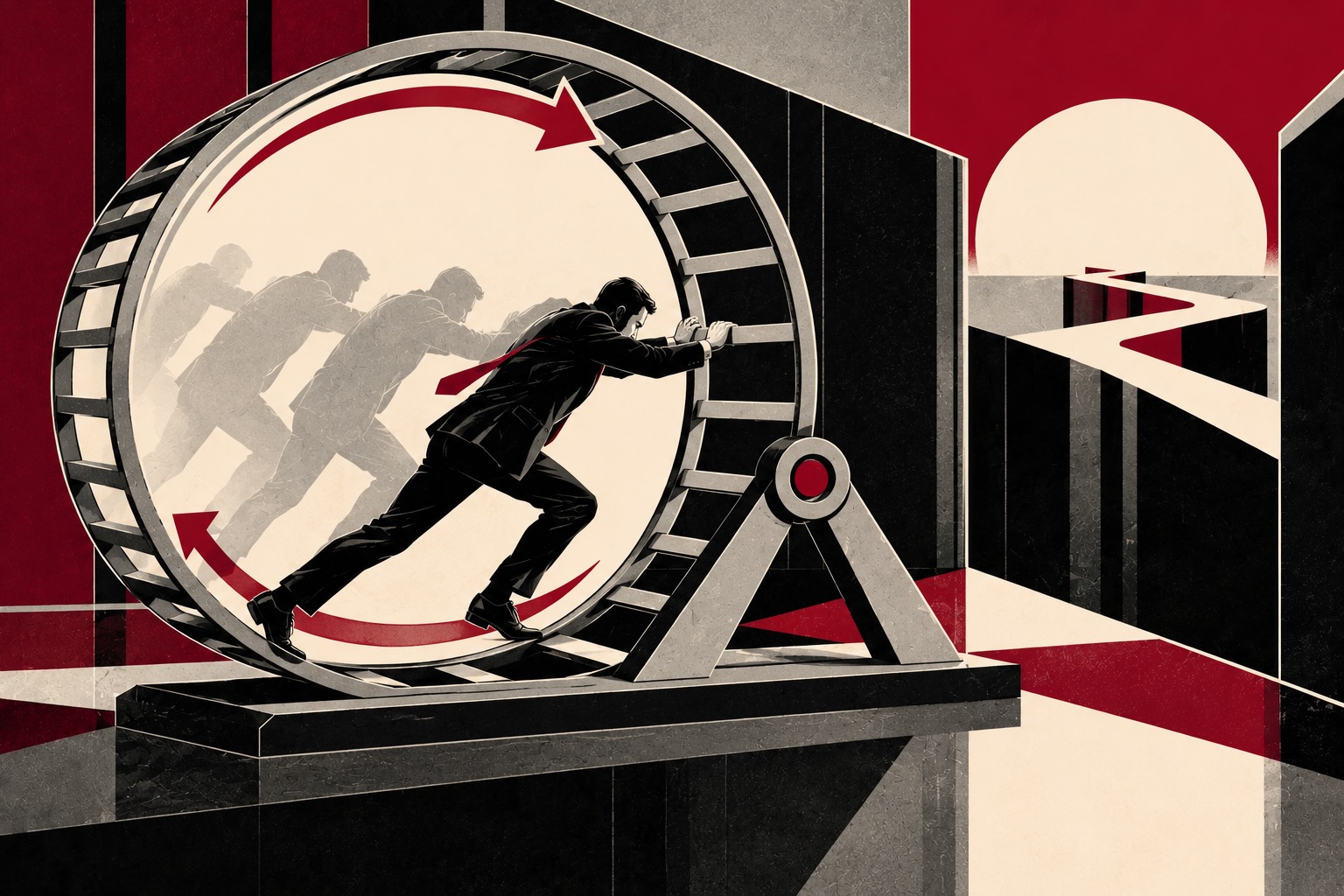
When Trying Harder Becomes the Problem
If your organisation keeps solving the same problem, the uncomfortable question is no longer why the solution failed, but why the organisation keeps recreating something it already knows how to fix....

Mad Max and the Cost of Keeping a Broken System Alive
Some recurring problems become so expensive that eventually the organisation exists to manage the problem rather than achieve its purpose. The original 1979 Mad Max is remembered for...

Every Recurring Problem Has an Accomplice
Your recurring problem may not be surviving because nobody can solve it. It may be surviving because something inside your organisation is quietly helping it stay alive. That is an uncomfortable...
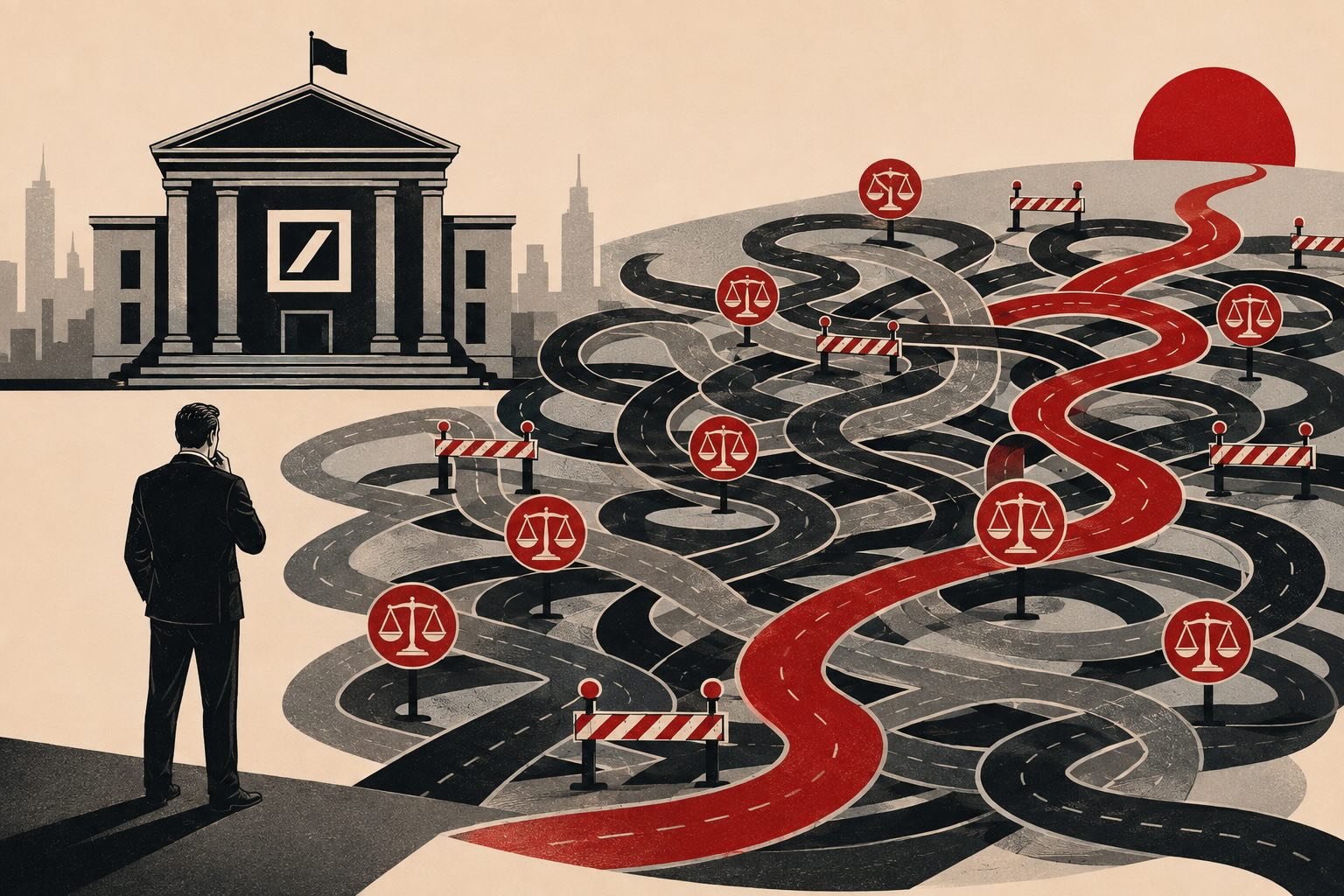
Deutsche Bank: When Fixing the Bank Becomes a Recurring Problem
When an organisation has spent years fixing itself yet regulators keep finding reasons to return, the recurring problem may no longer be the individual failures. It may be the conditions that keep...

Gladiator and the Dangerous Business of Winning the Wrong Battle
Your organisation can win every battle against a recurring problem and still lose the war against what keeps creating it. Ridley Scott’s Gladiator is a story of power, loyalty, revenge and...

