
Thinking for leaders dealing with persistent problems
Karamawari writes about the organisational patterns that make recurring problems difficult to see and expensive to leave unresolved: how evidence becomes representation, why reasonable fixes fail, where capacity disappears and what leaders can learn when the same outcome keeps returning.

The Oak That Wouldn’t Bend
Some organisations become so good at resisting change that they eventually become incapable of surviving reality. There is an old fable about an oak tree and a reed. The oak is enormous. Deeply...
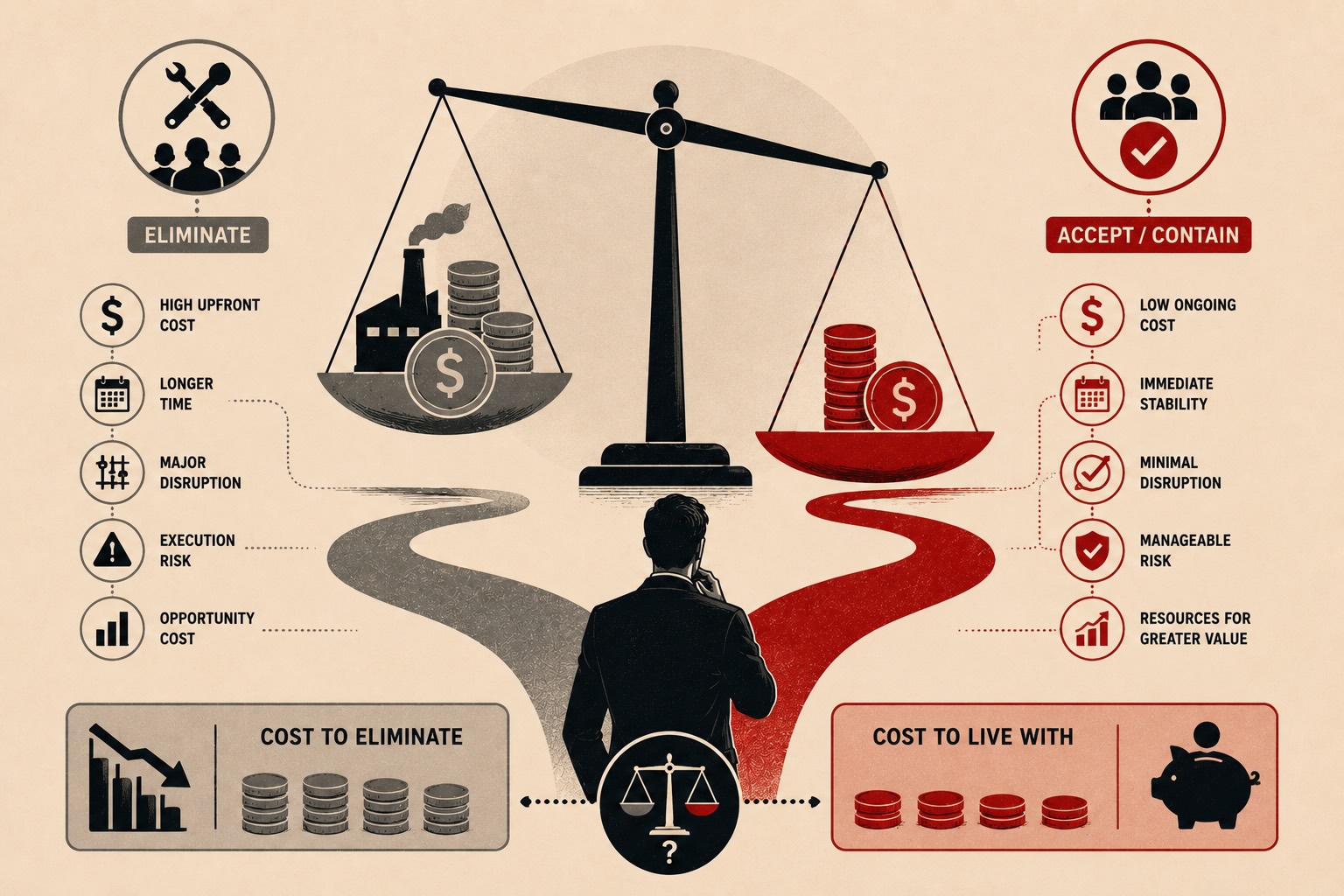
What If the Smartest Decision Is Not to Solve the Problem?
CEOs can waste extraordinary amounts of money solving problems that would have been cheaper to keep. That sounds almost heretical. Leadership culture celebrates problem solving. Persistent problems...

The $2 Pencil That Wasn’t the Answer
Some of the most expensive mistakes in business begin with a solution that looks so obvious nobody bothers asking whether it can survive the conditions in which it must work. Few stories illustrate...

The Problem Behind the Problem
The most dangerous recurring problem in your organisation may be the one your leadership team has become exceptionally good at solving. Steven Bartlett’s The Diary of a CEO: The 33 Laws of...

Blade Runner and the Cost of Solving What We Created
Some of the most expensive recurring problems are not failures of the system. They are consequences of the system working exactly as it was designed to work. Ridley Scott's Blade Runner is...
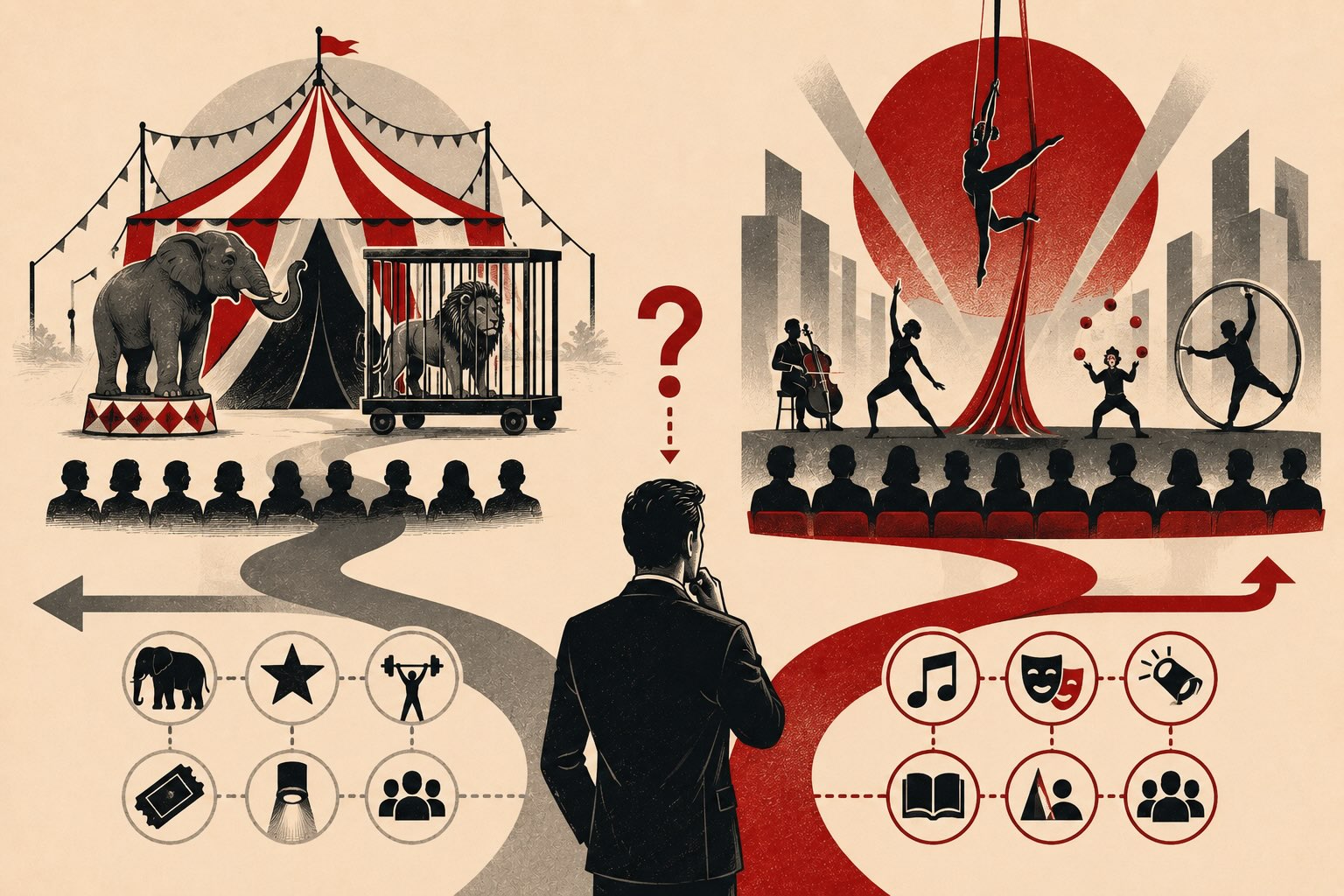
Cirque du Soleil Stopped Trying to Build a Better Circus
Some of the biggest strategic breakthroughs happen when leaders stop asking how to solve the existing problem better and start asking whether it is the right problem to solve at all. For decades,...

