
Thinking for leaders dealing with persistent problems
Karamawari writes about the organisational patterns that make recurring problems difficult to see and expensive to leave unresolved: how evidence becomes representation, why reasonable fixes fail, where capacity disappears and what leaders can learn when the same outcome keeps returning.

Leon: The Problem You Remove Can Leave the System Untouched
Some recurring problems survive because leaders become exceptionally good at eliminating the people, incidents and failures they can see, while leaving untouched the conditions that produced them....

When Customers Want the Music, Not the CD
The most dangerous moment in strategy is when your organisation becomes better and better at delivering something customers are becoming less and less interested in buying. For decades, Tower...

Your People May Not Be the Problem. Their Motivation System Might Be
When the same organisational problem keeps returning, asking people to try harder may actually strengthen the conditions that keep bringing it back. For CEOs dealing with karamawari, the frustrating...
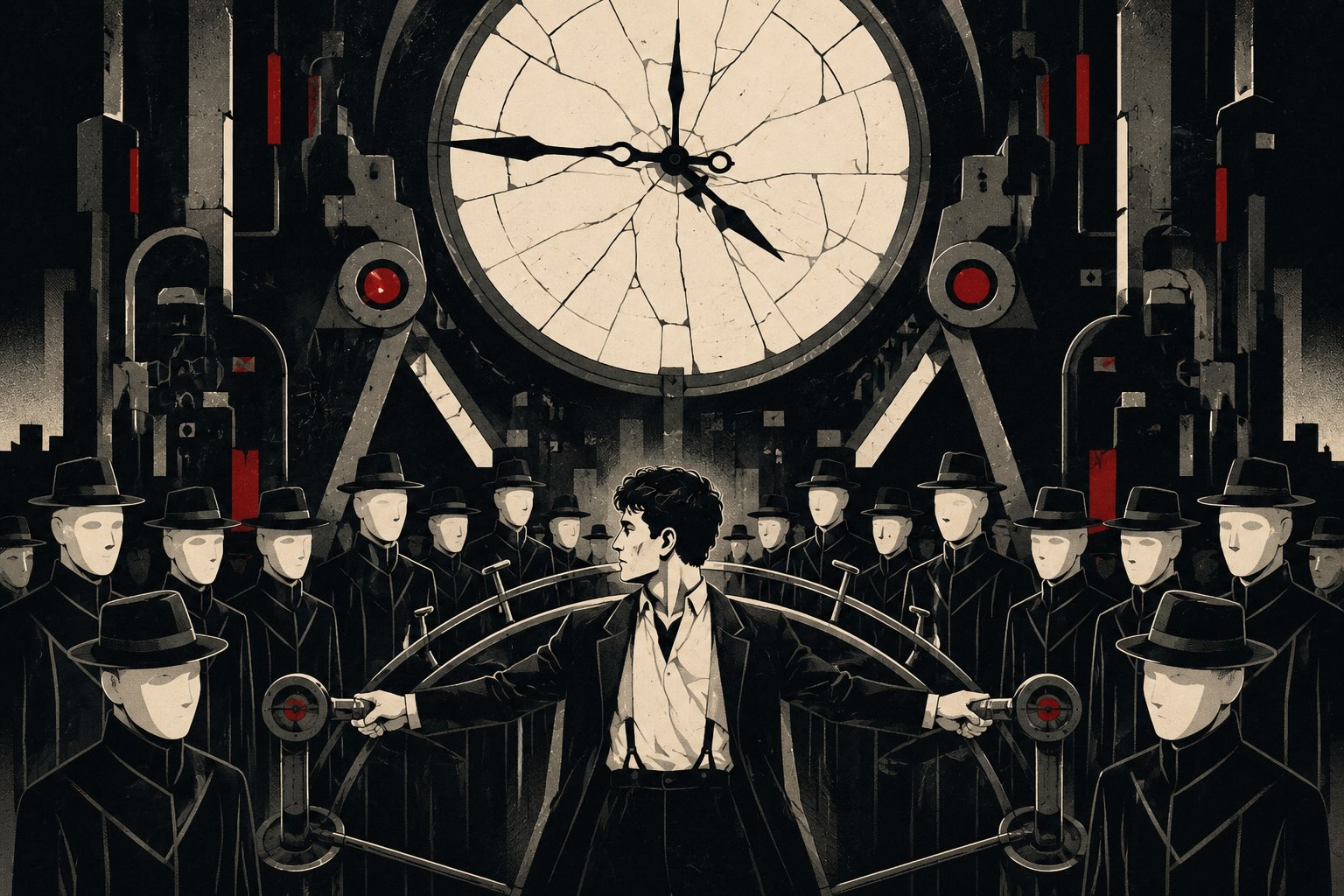
Dark City: The Most Dangerous Recurring Problems Are the Ones That Rewrite Reality
The hardest recurring problem for a CEO to solve may be the one the organisation has lived with for so long that nobody can remember what normal looked like before it. Alex Proyas' 1998...

Waiting for Confidence Is More Expensive Than You Think
Some recurring problems survive because leaders keep waiting to feel confident about an action that can only become clear by taking it. It sounds sensible. Before committing resources, changing...

WALL-E and the Cost of Learning to Live With the Problem
Some of the most expensive recurring problems survive because the organisation has become exceptionally good at living with them. That is one of the more uncomfortable lessons hidden inside...

