
Thinking for leaders dealing with persistent problems
Karamawari writes about the organisational patterns that make recurring problems difficult to see and expensive to leave unresolved: how evidence becomes representation, why reasonable fixes fail, where capacity disappears and what leaders can learn when the same outcome keeps returning.
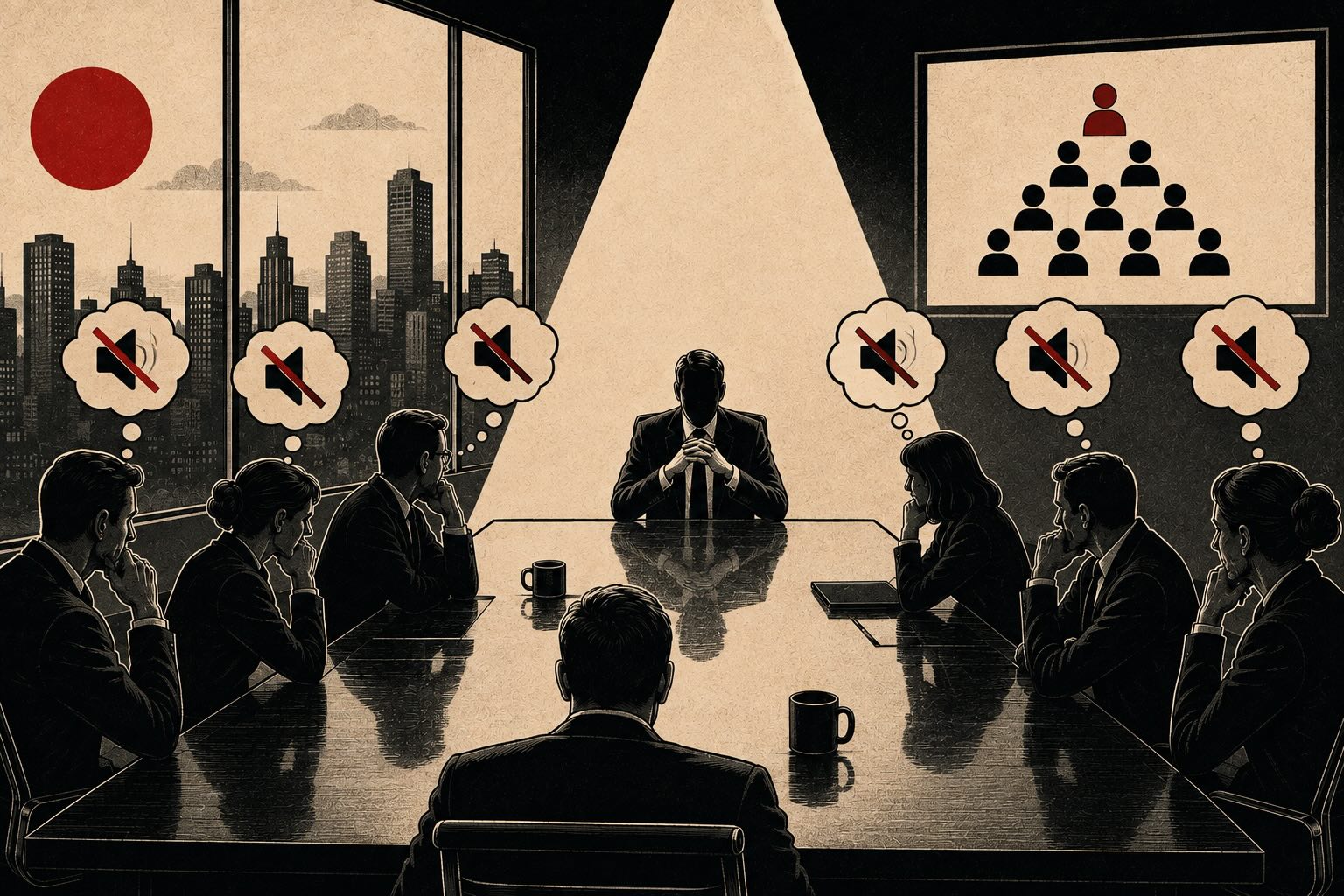
The Silence in Your Leadership Team May Be Costing You More Than the Arguments
One of the most dangerous sounds around an executive table is nothing at all. A proposal is presented. The CEO explains the reasoning. The numbers appear credible. The recommendation seems sensible....
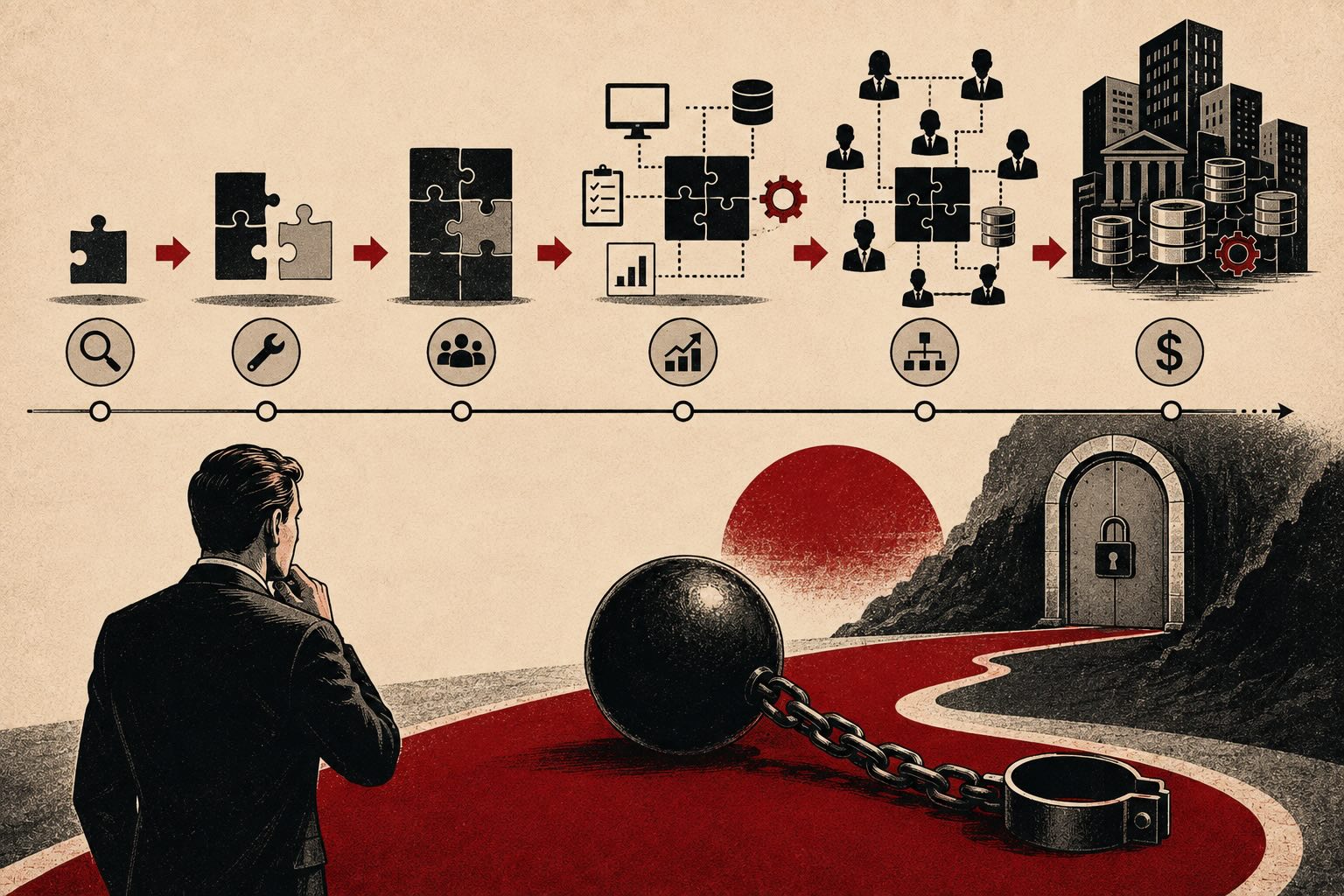
The Point of No Return: Why Recurring Problems Become More Expensive the Longer You Tolerate Them
The most expensive moment in a recurring problem is rarely when it first appears; it is when the organisation discovers that yesterday's choices can no longer be cheaply undone. Most CEOs understand...

Karamawari: When Enormous Effort Produces Almost No Forward Movement
Some of the most troubled organisations are not standing still. They are moving furiously while repeatedly arriving back at the same problem. There is a Japanese word that captures this remarkably...

