
Thinking for leaders dealing with persistent problems
Karamawari writes about the organisational patterns that make recurring problems difficult to see and expensive to leave unresolved: how evidence becomes representation, why reasonable fixes fail, where capacity disappears and what leaders can learn when the same outcome keeps returning.

Your Recurring Problem May Be a Habit
Some recurring business problems survive not because the organisation cannot solve them, but because it has become extraordinarily good at recreating them. That is an uncomfortable idea for a CEO....

The Mountain Wasn’t the Problem
The costliest recurring problems survive because organisations keep treating the strange behaviour they can see while ignoring the powerful signal underneath it. Steven Spielberg's 1977...
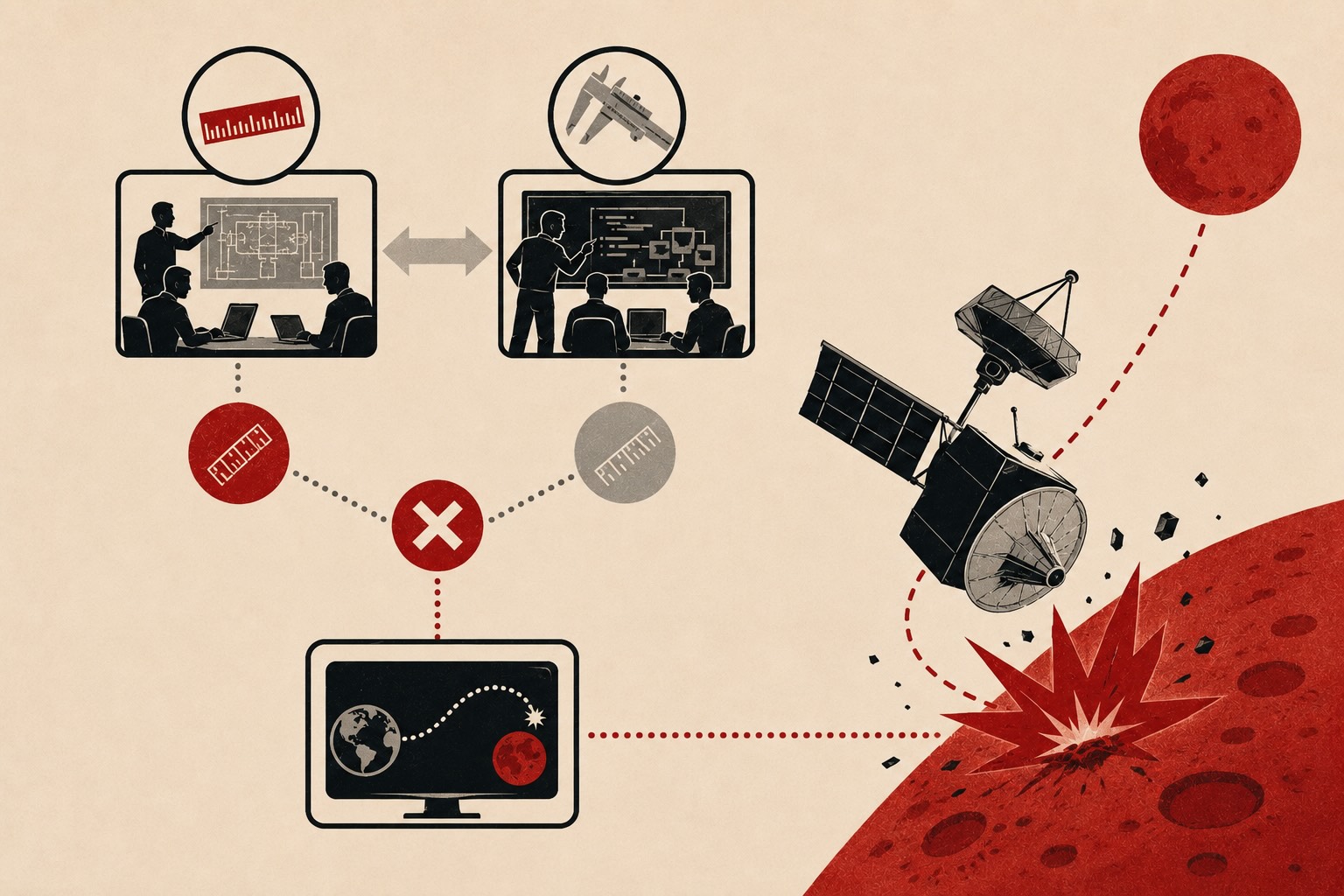
Mars Climate Orbiter: When Everything Works Except the Organisation
One of the most dangerous failures a CEO can face is when every team can demonstrate that its part worked correctly, yet the organisation still produces a catastrophic result. In 1999, NASA lost the...

The System Nobody Dares Replace
Some recurring problems become so expensive to remove that organisations convince themselves it is cheaper to keep paying for them forever. For many banks, governments and large organisations, COBOL...

The Lion King Problem: When Leadership Leaves the Cause Behind
Some recurring problems become catastrophically expensive because leadership removes the person associated with the problem while leaving untouched the conditions that created it. That is one of the...

Yahoo Was Building a Better Destination While Google Was Building the Road
One of the most dangerous strategic mistakes a CEO can make is winning the competition everyone can see while somebody else quietly changes what customers are competing for. In the early internet...

